
Most people discover Rocky Mountain National Park in summer. They plan around the wildflowers, the long daylight hours, and the Timed Entry Permits. What they miss is the version of the park we like best: the quiet, snow-covered, wildlife-abundant, almost entirely uncrowded version that runs from November through April.
At Kirks Flyshop(opens in new tab), we guide year-round in Estes Park and Rocky Mountain National Park. Winter is when we get to share a side of the park that most visitors never see. No reservation queues, no parking lot backups, no crowds at the trailhead. Just mountains, snow, wildlife, and the kind of stillness that is genuinely hard to find in July.
This guide covers everything worth doing in and around Rocky Mountain National Park in winter, from guided snowshoeing trips and tailwater fly fishing to elk watching and scenic drives. We have organized it by activity so you can plan a day, a weekend, or a full winter week.
Quick Answer
Rocky Mountain National Park in winter offers some of the most spectacular and uncrowded outdoor experiences in Colorado. The top things to do include guided snowshoeing to alpine lakes, winter fly fishing on the Big Thompson River tailwater, wildlife watching for elk and bighorn sheep in the valley meadows, scenic drives along Bear Lake Road, and lower-elevation winter hiking on trails like Cub Lake and Sprague Lake. No timed-entry reservation is required between November and late May, making winter visits significantly easier to plan than summer trips.
In This Guide
1. Guided Snowshoeing in Rocky Mountain National Park
2. Winter Fly Fishing on the Big Thompson River
3. Wildlife Watching in the Winter Valley
4. Winter Hiking on Lower-Elevation Trails
5. Scenic Winter Drives
6. Estes Park in Winter
7. Planning Your Winter Visit
Frequently Asked Questions
1. Guided Snowshoeing in Rocky Mountain National Park
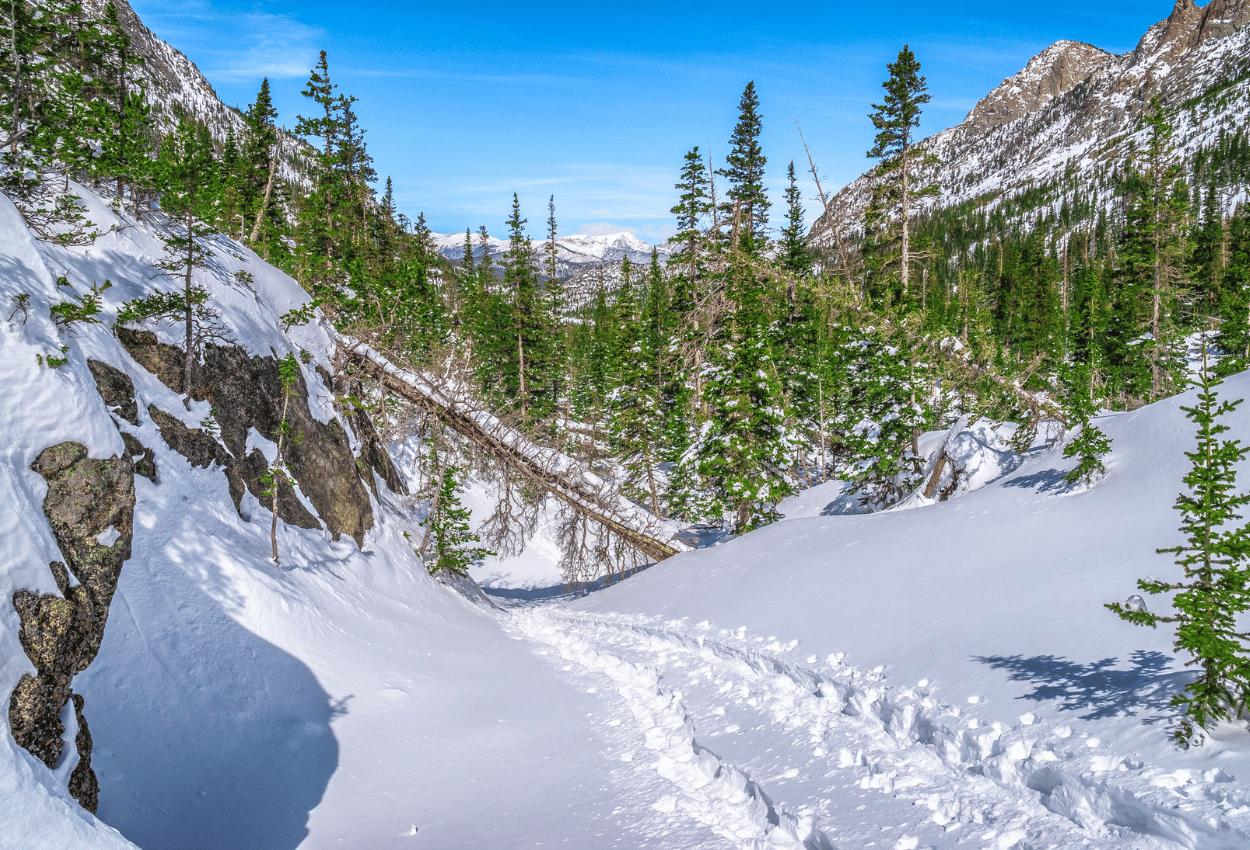
Snowshoeing is the premier winter activity in Rocky Mountain National Park, and for good reason. Once the high-country trails fill with snow, snowshoes are how you reach the alpine lakes, the glacial moraines, and the ridgeline viewpoints that draw summer hikers by the thousands. The difference in winter is that you may have those same destinations entirely to yourself.
Our guided snowshoeing trips(opens in new tab) run from late November through April, and they are among the most popular experiences we offer all year. A guide makes a significant difference in winter: snow conditions change daily, some routes become dangerous without local knowledge, and the best winter destinations are not always the ones printed on a summer trail map.
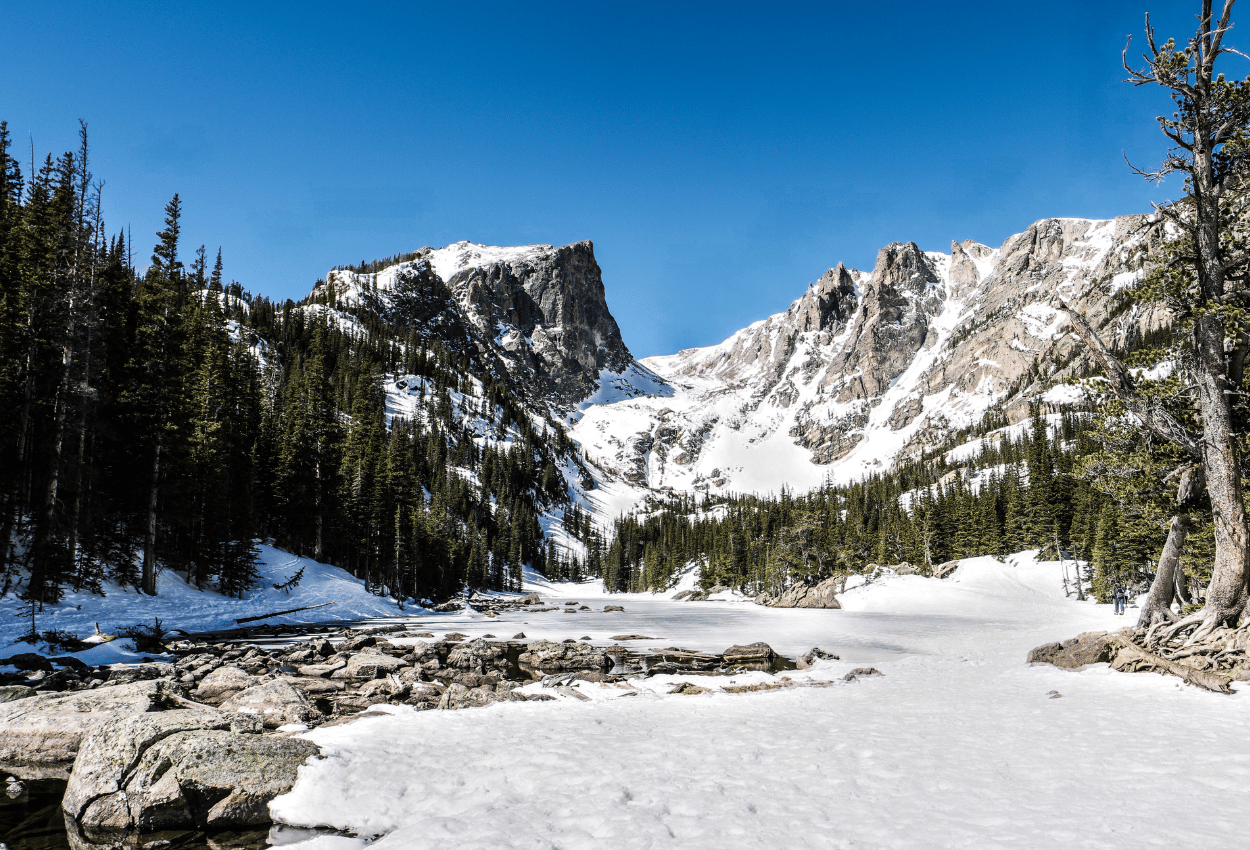
From the guides: Dream Lake in winter is a completely different place than it is in July. The crowds are gone, the lake surface freezes into a natural rink surrounded by snow-covered peaks, and you can often spot elk tracks crossing the frozen meadows on the way in. It is one of our favorite destinations in any season. In winter, it feels like a secret we get to share with every guest.
Popular Winter Snowshoeing Destinations in RMNP
Dream Lake
2.2 miles round trip from Bear Lake Trailhead. One of the most scenic winter snowshoe routes in the park. The trail passes Nymph Lake before arriving at a frozen alpine lake framed by Hallett Peak and Flattop Mountain. Moderate difficulty; reliable snow coverage from December through March.
Emerald Lake
3.3 miles round trip from Bear Lake Trailhead. One of the park’s most celebrated trails visits three alpine lakes in sequence. The snow-covered approach and frozen lake surface in winter are often more striking than the summer experience. Moderate effort; best suited to 6-hour guided trips.
Mills Lake
5.6 miles round trip from Glacier Gorge Trailhead. A longer, more demanding winter route that rewards experienced snowshoers with dramatic views of Longs Peak and the Keyboard of the Winds. Best as an 8-hour guided full-day trip.
Sprague Lake Loop
Half-mile loop. The most accessible winter snowshoe in the park, excellent for families with young children. Flat, well-signed, with panoramic views of the Continental Divide. Suitable for all ages and fitness levels; snowshoes optional depending on snow depth.
Guided Snowshoeing Trip Options
Our Estes Park snowshoeing trips are available in three durations. All gear is provided, snacks and lunch are included, and no prior experience is needed.
| Trip Option | Duration | Starting Price | Best For |
|---|---|---|---|
| 3-Hour Trip | 3 hours | From $195 | Families, first-timers, shorter visits |
| 6-Hour Trip | 6 hours | From $250 | Most popular; reaches Dream Lake and Emerald Lake |
| 8-Hour Trip | Full day | From $290 | Experienced snowshoers; remote destinations like Mills Lake |
All snowshoeing gear is provided, including snowshoes, gaiters, and poles. Snacks and lunch are included on all day trips. No prior experience is required, and the trips are fun and safe for all ages. Large groups are welcome.
2. Winter Fly Fishing on the Big Thompson River
Most anglers assume fly fishing is a warm-weather pursuit. On most rivers that is true. The Big Thompson River tailwater below Lake Estes is a different story, and it is one of the best-kept secrets in winter fly fishing in the Rocky Mountain West.
The dam releases cold, consistent water year-round, which keeps the river from freezing and maintains ideal trout temperatures even when the surrounding valley is locked under snow. Big Brown and Rainbow Trout hold in predictable winter lies, midge hatches trigger surface feeding on sunny January afternoons, and the canyon is spectacularly quiet. We have guided February days where guests had entire half-mile stretches of river to themselves.
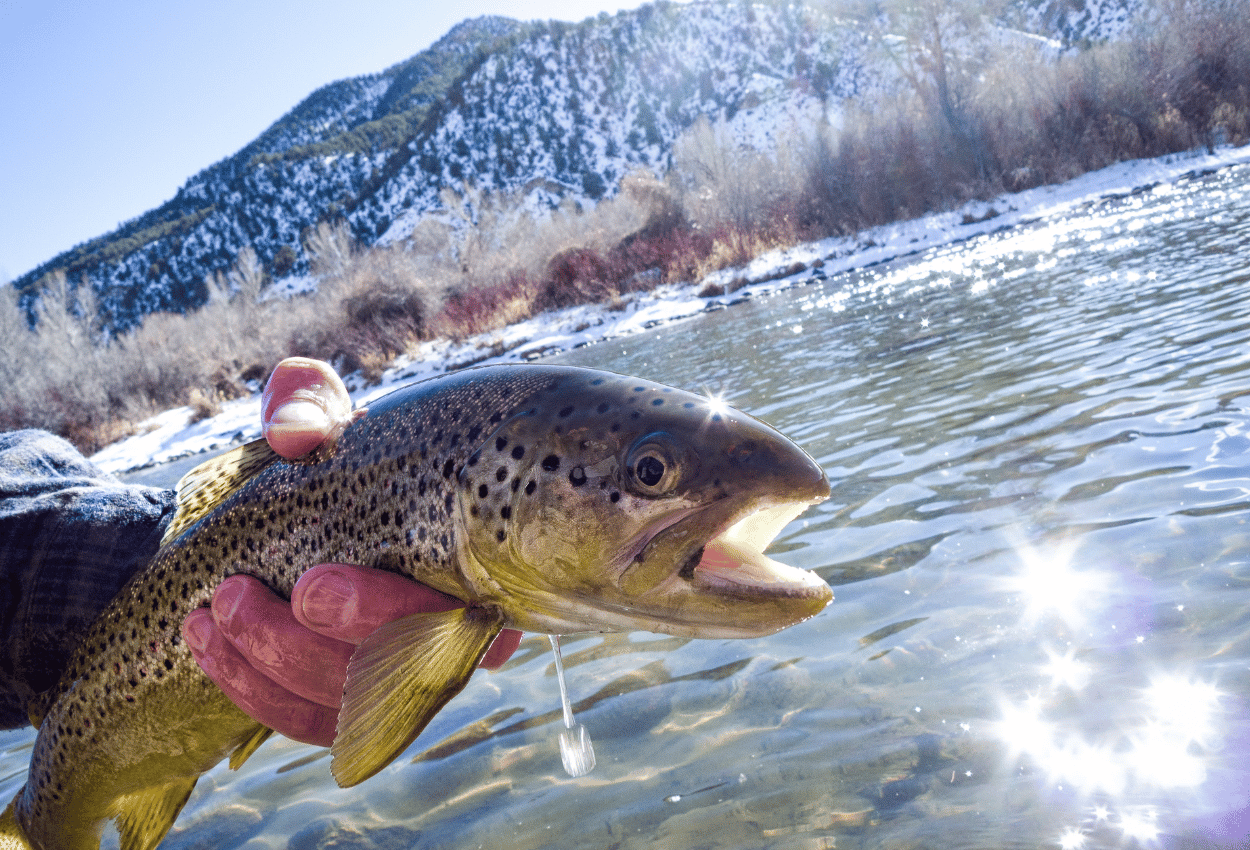
From the guides: Winter on the lower Big Thompson is one of the best-kept secrets in Colorado fishing. The water is gin-clear, the fish are large, they are stacked in predictable lies, and there is nobody else out there. We will take you to runs that summer clients never see because they are too busy dealing with timed-entry queues. Come in January. You will not regret it.
For a full breakdown of how the Big Thompson fishes across the seasons, including what hatches to expect and which months produce the biggest fish, see our guide to the best time to fly fish in Rocky Mountain National Park(opens in new tab).
Check the current fishing report(opens in new tab) before heading out. Our guides update it regularly with current river conditions, flows, water temperature, and what patterns are producing.
3. Wildlife Watching in the Winter Valley
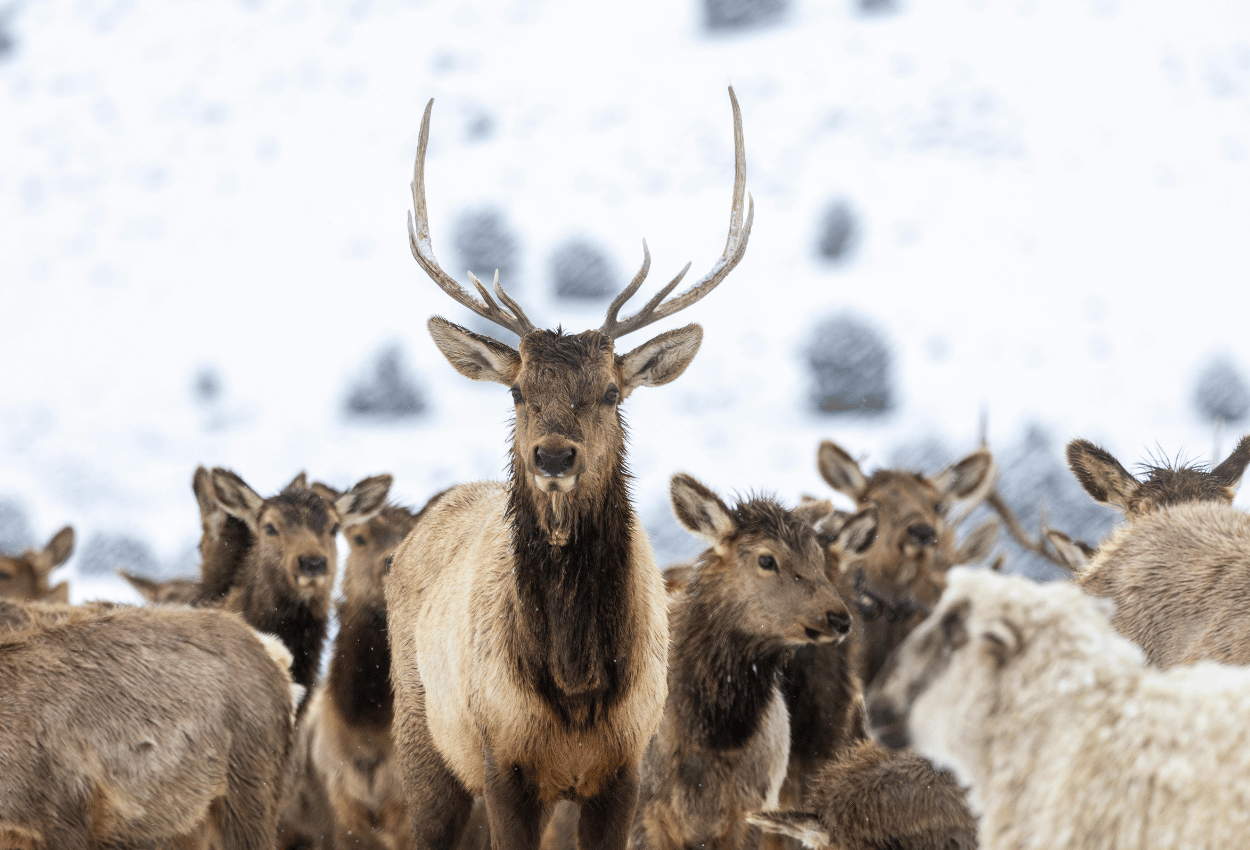
Wildlife watching in Rocky Mountain National Park is exceptional year-round, but winter shifts the dynamic in ways that strongly favor visitors. As the alpine zone locks under deep snow, elk, bighorn sheep, and mule deer descend into the lower valleys and meadows, concentrating in places that are easily reached by car or on a short walk. The park’s wildlife is often more visible in winter than in summer, when dense foliage and high-elevation dispersal makes sightings harder to predict.
What to Look For and Where
Elk
Large herds move into Moraine Park, Horseshoe Park, and the Estes Park valley by October and remain through spring. Morning and late afternoon are the most reliable windows for viewing. Bull elk shed their antlers between January and March, and finding a shed on a winter snowshoe is a memorable bonus.
Rocky Mountain Bighorn Sheep
Bighorn sheep descend from high-elevation grazing areas when deep snow covers their summer range. They are frequently visible near Horseshoe Park and along the lower canyon walls of the Big Thompson Canyon in winter, sometimes right along the road.
Coyotes and Foxes
Winter is one of the best seasons to spot coyotes and foxes, which become more active during daylight hours when the cold drives small prey to the surface. Open meadows like Moraine Park and Hollowell Park are reliable locations.
Birds of Prey
Bald and golden eagles hunt over open meadows and frozen lakes throughout winter. Steller’s jays, Clark’s nutcrackers, and black-billed magpies are common year-round. Great horned owls begin their breeding season in January and are sometimes heard at dawn near the Beaver Meadows area.
From the guides: The Moraine Park meadow at first light in December is one of the most impressive wildlife spectacles we know of. Elk herds of 200 or 300 animals grazing across a snow-covered mountain meadow with the peaks lit by early sun. We have watched guests stand completely quiet for 20 minutes just taking it in. Bring binoculars, arrive early, and move slowly.
4. Winter Hiking on Lower-Elevation Trails
Not every winter visitor to Rocky Mountain National Park wants to strap on snowshoes. Several lower-elevation trails remain accessible and enjoyable on foot throughout winter, particularly after a dry stretch or a warm week that consolidates the snowpack. The key is knowing which ones are safe and which ones become hazardous without traction devices.
Best Lower-Elevation Winter Hikes
Cub Lake Trail (2.3 miles one way) begins in Moraine Park and winds through meadow and pine forest to a small lake. This trail is a winter favorite for its gentle grade, abundant elk habitat, and manageable snow depth at lower elevation. The meadow section often holds large elk herds on winter mornings.
Sprague Lake Loop (0.5 miles) is the most beginner-friendly winter hike in the park. Flat, well-marked, and accessible from a plowed parking area, it offers dramatic Continental Divide views and is an excellent introduction to the park for first-time winter visitors. Completely suitable for young children.
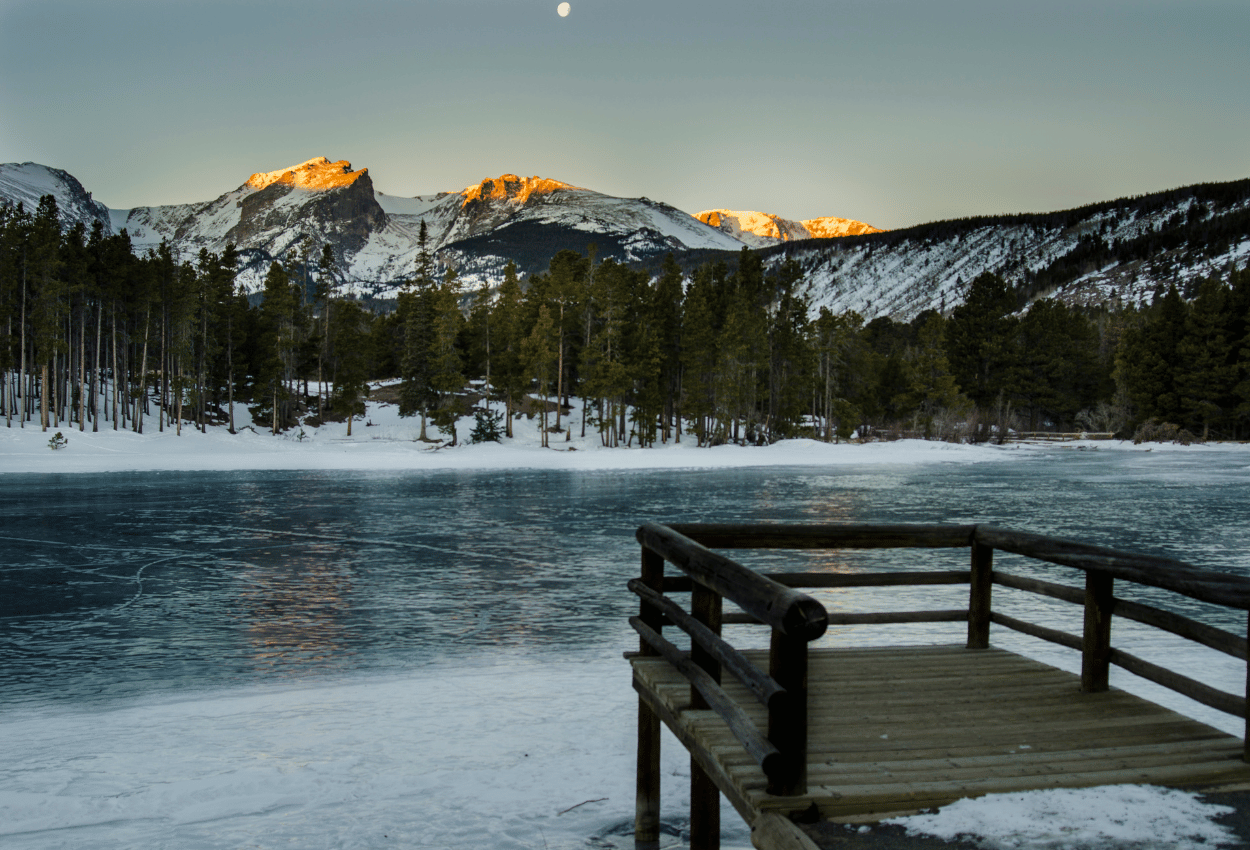
Gem Lake Trail (1.8 miles one way) on the park’s eastern side near Lumpy Ridge is a rocky, south-facing route that sheds snow faster than most. On a clear winter day, it delivers exceptional views of the Estes Park valley and Longs Peak without requiring full snowshoe gear.
Bear Lake to Nymph Lake (0.5 miles one way) is achievable on foot in moderate snow conditions and delivers the park’s most iconic lake reflection with minimal effort. Microspikes are strongly recommended on the approach from the Bear Lake parking area.
For any winter trail, microspikes are recommended at minimum and snowshoes may be required depending on conditions. Both are available through our gear rentals program(opens in new tab). Our guided day hiking trips(opens in new tab) operate year-round, with route selection based on current conditions.
5. Scenic Winter Drives
Not every winter experience in Rocky Mountain National Park requires leaving the car. The main winter access road offers stunning scenery on its own, and driving through a snow-covered national park is an experience in its own right.
Bear Lake Road is the primary paved road open to visitors in winter and the gateway to the park’s best snowshoeing and hiking trailheads. The drive from the Beaver Meadows Entrance through Moraine Park and up toward Bear Lake passes exceptional elk habitat and sweeping views of the Continental Divide. Parking at the Bear Lake lot fills quickly on busy winter weekends, so plan to arrive early.
Winter driving advisory: Bear Lake Road and the roads leading into Estes Park can become icy and snow-packed without warning. Winter driving in the mountains is genuinely hazardous. Only vehicles equipped with snow tires or all-season tires in good condition should attempt the drive, and only drivers comfortable driving on ice and packed snow. Check road conditions before heading up: the National Park Service road conditions page is updated regularly, and the Colorado DOT’s COtrip site(opens in new tab) is updated continuously. When in doubt, give yourself extra time and drive slowly.
6. Estes Park in Winter
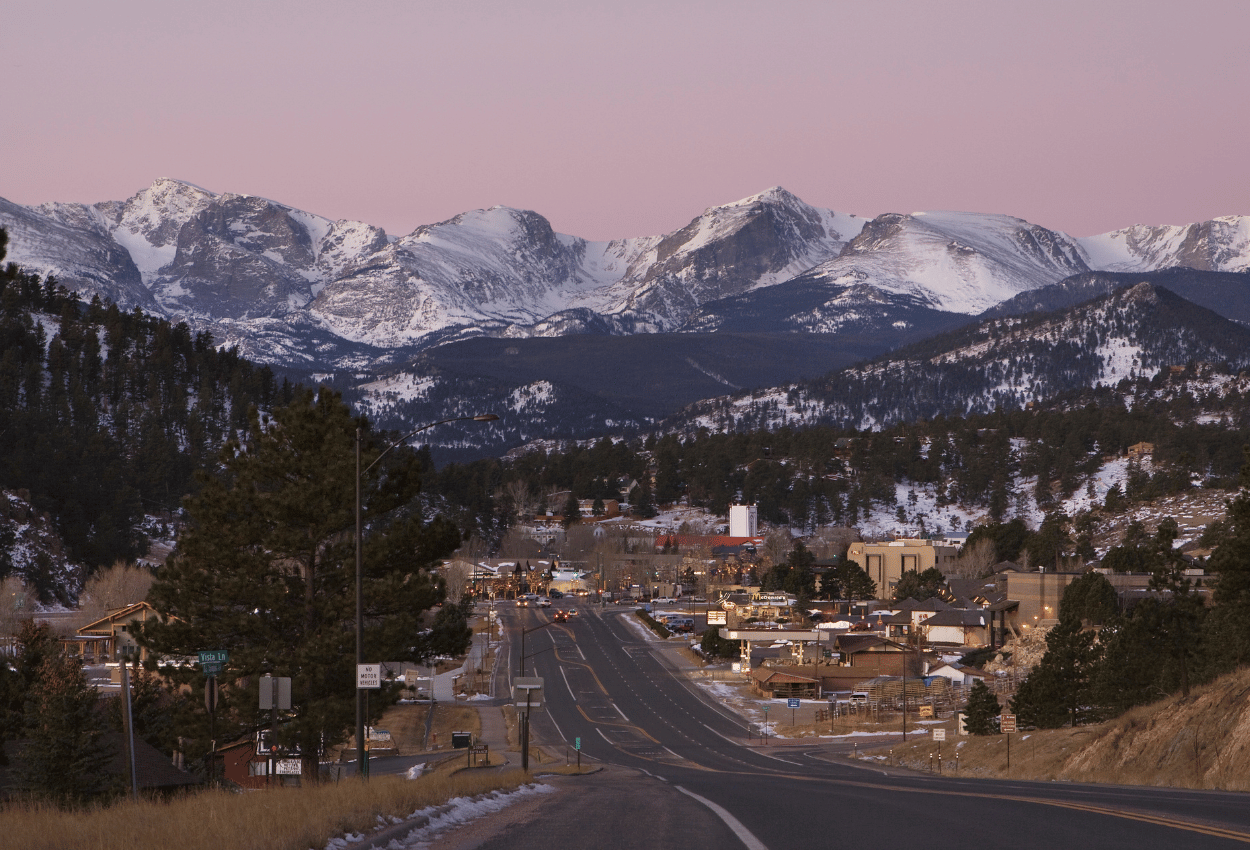
Estes Park pairs naturally with any day in Rocky Mountain National Park, and the town itself is worth exploring in winter. Shops and restaurants are open, the pace is relaxed compared to summer, and the mountain scenery surrounding the valley is at its most dramatic.
Elk in town. Estes Park’s resident elk herd moves through downtown throughout the winter. It is not unusual to walk out of a restaurant and find a dozen elk grazing on the lawn across the street. The herd is habituated to people but should always be given plenty of space.
No timed-entry reservation required. Between November and late May, Rocky Mountain National Park does not require a timed-entry reservation for any entrance. You can drive into the park at any time during open hours without advance planning. This alone makes a winter visit significantly simpler than a summer trip.
Lower rates and better availability. Hotels, vacation rentals, and lodging across Estes Park are substantially more affordable and available in winter. If summer pricing has kept you from visiting, winter is when the valley is most accessible.
The Stanley Hotel. The historic Stanley Hotel, which inspired Stephen King’s The Shining, sits on a hillside above town and offers tours year-round. In winter, the surrounding snowscape gives the property a particularly striking look. The Overlook Film Festival runs annually in late October and draws horror enthusiasts from across the country.
7. Planning Your Winter Visit to Rocky Mountain National Park
When Is Winter in RMNP?
The winter season in Rocky Mountain National Park runs roughly from November through April, though snowfall can occur at any time of year above 10,000 feet. The most reliable snow for snowshoeing and winter activities is typically December through March. April can be excellent for late-season conditions and increasing daylight, with fewer visitors than January or February.
Do I Need a Permit?
No timed-entry reservation is required for Rocky Mountain National Park between November and approximately late May. A standard park entry pass is still required: either an America the Beautiful Annual Pass or the daily entry fee. Backcountry permits are required for overnight camping year-round.
What Should I Wear?
Winter in Rocky Mountain National Park is serious mountain cold. Temperatures above treeline regularly fall below zero Fahrenheit with wind chill, and even in the valley around Estes Park expect temperatures in the teens to low thirties on a typical January day. Layering is essential:
- Moisture-wicking base layer (wool or synthetic; never cotton at altitude)
- Insulating mid-layer (fleece or down)
- Waterproof and windproof outer shell
- Insulated waterproof boots rated for cold temperatures
- Wool socks, warm hat, gloves, neck gaiter
- Microspikes for any trail
- Snowshoes for any trail above 9,000 feet after recent snowfall
- High-SPF sunscreen and UV-blocking sunglasses (UV intensity at altitude is intense even in winter)
Kirks Flyshop offers gear rentals(opens in new tab) including snowshoes, microspikes, and trekking poles. If you book a guided snowshoeing trip(opens in new tab), all gear is included.
Is Rocky Mountain National Park Worth Visiting in Winter?
We think it is one of the most underrated times to visit. No permit hassle, dramatically lower crowds, better wildlife visibility than summer, exceptional tailwater fly fishing, and one of the most stunning landscapes in the country draped in snow. The tradeoff is colder temperatures and the need for proper gear and preparation. Come ready for the conditions and winter delivers an experience most visitors to Rocky Mountain National Park never see.
Book a Guided Winter Adventure in Estes ParkKirks Flyshop guides year-round in Rocky Mountain National Park and on the Big Thompson River. Whether you want to snowshoe to a frozen alpine lake, catch trophy trout on a winter tailwater, or explore the park’s wildlife-rich meadows with a local expert, we have the right trip for your crew.
✓ Guided Snowshoeing Trips(opens in new tab): 3, 6, and 8-hour options from $195. All gear and lunch provided.
✓ Guided Winter Fly Fishing(opens in new tab): Big Thompson tailwater, year-round. Fish guaranteed.
✓ Guided Winter Hiking(opens in new tab): Year-round hiking for all skill levels.
✓ Gear Rentals(opens in new tab): Snowshoes, microspikes, poles, and more.
✓ All Mountain Adventures(opens in new tab): Browse everything we offer in RMNP.
✓ Current Fishing Report(opens in new tab): Updated weekly with conditions and what is producing.
Frequently Asked Questions About Rocky Mountain National Park in Winter
What are the best things to do in Rocky Mountain National Park in winter?
The best things to do in Rocky Mountain National Park in winter include guided snowshoeing to alpine lakes like Dream Lake, Emerald Lake, and Mills Lake; winter fly fishing on the Big Thompson River tailwater; wildlife watching for elk and bighorn sheep in Moraine Park and Horseshoe Park; scenic drives along Bear Lake Road; and lower-elevation hiking on trails like the Sprague Lake Loop and Cub Lake Trail. No timed-entry reservation is required between November and late May.
Is Rocky Mountain National Park open in winter?
Yes. Rocky Mountain National Park is open year-round, though some roads and facilities operate on reduced schedules. Bear Lake Road is plowed and open all winter, providing access to the park’s most popular snowshoeing and hiking trailheads. Note that winter driving conditions on mountain roads can be hazardous: snow tires and experience driving on ice and packed snow are strongly recommended. The Beaver Meadows Visitor Center has reduced winter hours.
Do you need a reservation to visit Rocky Mountain National Park in winter?
No. Rocky Mountain National Park does not require a timed-entry reservation between approximately November and late May. A standard park entry pass is required, either an America the Beautiful Annual Pass or the daily entry fee. No advance reservation is needed for day use. Backcountry permits are required for overnight camping year-round.
Can you snowshoe in Rocky Mountain National Park in winter?
Yes, and it is one of the best winter snowshoeing destinations in Colorado. Most trails above 9,500 feet require snowshoes from December through March. Popular winter destinations include Dream Lake, Emerald Lake, Mills Lake, and the Sprague Lake Loop. Guided snowshoeing trips are available through Kirks Flyshop in Estes Park, with 3, 6, and 8-hour options starting from $195. All snowshoeing gear is provided.
Is fly fishing good near Rocky Mountain National Park in winter?
Yes. The Big Thompson River tailwater below Lake Estes Dam, adjacent to the park, is one of the finest winter fly fisheries in the Rocky Mountain West. The dam releases cold, temperature-stable water year-round, maintaining ideal trout habitat and supporting excellent midge hatches even in January and February. Guided winter fly fishing trips are available through Kirks Flyshop with all gear provided and a fish guarantee.
What wildlife can you see in Rocky Mountain National Park in winter?
Winter is one of the best seasons for wildlife watching in the park. Large elk herds graze in Moraine Park and Horseshoe Park from October through spring, often numbering in the hundreds. Rocky Mountain bighorn sheep descend to lower elevations and are frequently visible near Horseshoe Park and along the Big Thompson Canyon. Coyotes, foxes, bald eagles, golden eagles, and great horned owls are all more active and visible in winter.
What should I wear for winter activities in Rocky Mountain National Park?
Layer for serious high-altitude cold. Essential gear includes a moisture-wicking base layer (wool or synthetic, never cotton), an insulating mid-layer, a waterproof and windproof outer shell, insulated waterproof boots, wool socks, hat, gloves, and a neck gaiter. Microspikes are recommended for any winter trail. Snowshoes are required above 9,000 feet after significant snowfall. High-SPF sunscreen and UV-blocking sunglasses are essential at altitude, even in winter.
How do I book a guided winter trip in Rocky Mountain National Park?
Kirks Flyshop offers guided snowshoeing, winter fly fishing, and guided hiking in and around Rocky Mountain National Park year-round. Book online(opens in new tab) or call (970) 577-0790. Guided snowshoeing trips start at $195 and include all gear, snacks, and lunch. Guided winter fly fishing trips come with all gear provided and Kirks Flyshop’s fish guarantee.