
Rocky Mountain National Park (RMNP) is one of the most spectacular fly fishing destinations in the United States, but knowing when to go makes all the difference. The park spans elevations from 7,860 feet to over 14,000 feet, which means fishing conditions change dramatically by season, location, and even time of day. Go too early and high-country lakes are locked under ice. Go in peak summer without a plan and you might be sharing your favorite run with a parade of hikers.
At Kirks Flyshop in Estes Park, Colorado, we’ve been guiding anglers through RMNP’s waters since 2002. This guide breaks down every season — what’s fishing, what’s not, what’s hatching, and which species to target — so you can plan the perfect Rocky Mountain National Park fly fishing trip no matter when you visit.
Quick Answer: When Is the Best Time to Fly Fish in Rocky Mountain National Park?
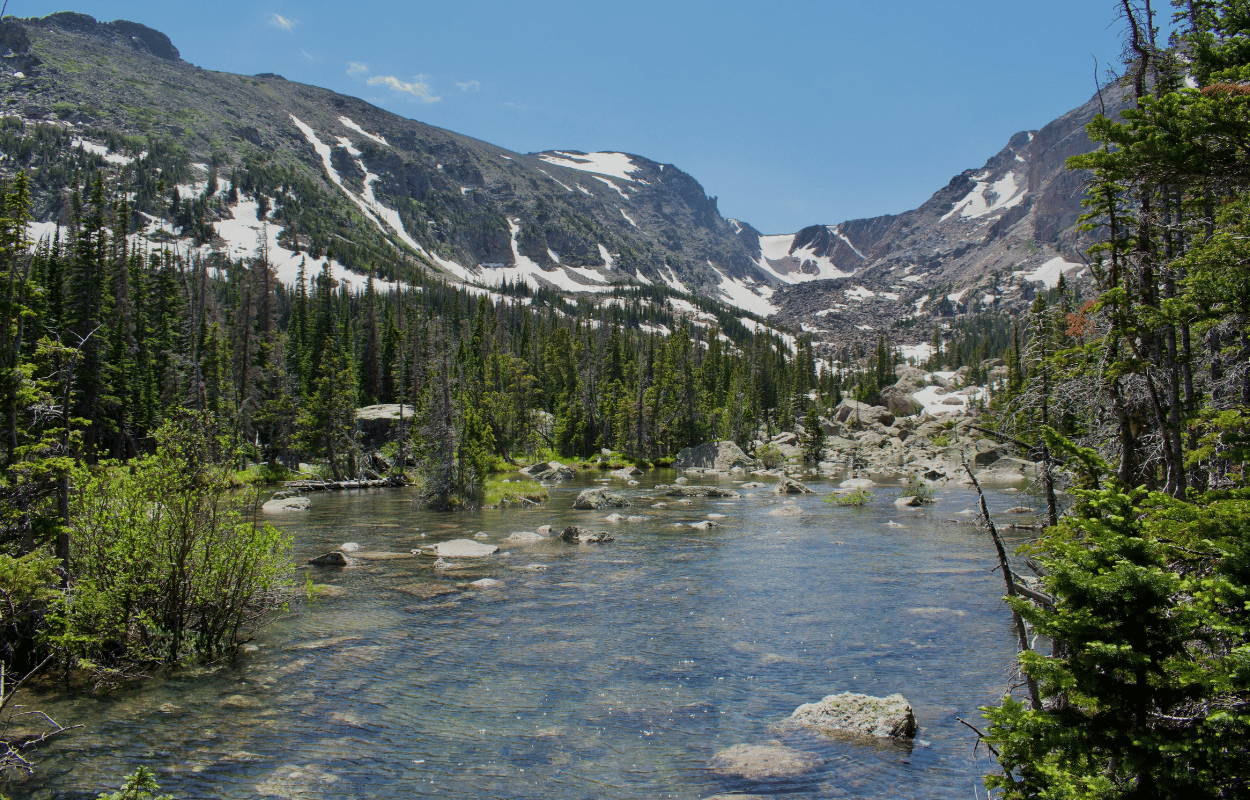
The best time to fly fish in Rocky Mountain National Park is from late June through early October, with July and August offering peak dry fly fishing on high-country streams and alpine lakes, and September and early October delivering arguably the finest overall conditions: stable weather, fewer crowds, aggressive trout, and stunning fall foliage. If you want to fish the park’s high-elevation waters (lakes, alpine meadows), you’re limited to this window. However, the Lower Big Thompson River below Lake Estes, one of the country’s great tailwater fisheries, fishes year-round and is outstanding even in winter.
RMNP Fly Fishing by Season: At-a-Glance
Use this table to match your travel dates to the right water and experience:
| Season / Month | Park Waters RMNP Streams & Lakes |
Lower Big Thompson Tailwater |
Crowds / Access |
|---|---|---|---|
| Early Spring Mar–Apr |
Mostly closed / snowbound | ★★★★★ Excellent: clear, low flows | Very low: solitude guaranteed |
| Late Spring May–Jun |
Opening: runoff affects some streams | ★★★★☆ Good: watch flows | Low–moderate |
| Summer Peak Jul–Aug |
★★★★★ Best: dry fly season | ★★★★☆ Good: summer stable | High: book guides early |
| Early Fall Sep–Oct |
★★★★★ Prime: fewer crowds, browns spawning | ★★★★★ Excellent: streamer season | Moderate: shoulder season |
| Winter Nov–Feb |
Mostly inaccessible: snow / ice | ★★★★★ Trophy season: low pressure | Very low: incredible solitude |
Note: Conditions vary year to year. Always check the Estes Park fishing report before your trip.
Fish Species: What Can I Catch?
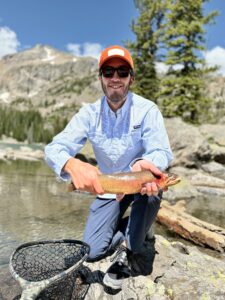
- Greenback Cutthroat Trout: Colorado’s state fish and a bucket-list catch; found in select RMNP streams and lakes. Often the star of backcountry trips.
- Cutthroat Trout: abundant in alpine lakes and meadow streams; aggressive dry fly eaters that make summer fishing exhilarating
- Brook Trout: colorful and prolific in smaller tributary streams; eager to eat dries
- Brown Trout: found in lower park sections & streams below 9,00 feet or so; more selective but larger on average
Spring Fly Fishing in RMNP (March–May): Early Season & Runoff
What’s Happening in the Park in Spring?
Spring in Rocky Mountain National Park is a tale of two fisheries. Inside the park’s high-elevation streams and lakes, ice and snowmelt keep most water inaccessible or unfishable through April and into May. Runoff from Colorado’s deep snowpack (often the heaviest in the country) sends streams running high, fast, and off-color through much of May and into early June.
However, early spring is far from a lost cause for Estes Park anglers. It just means knowing where to look.
Lower Big Thompson: Spring’s Star Performer
While RMNP’s interior waters are waking up, the Lower Big Thompson River below Lake Estes Dam is fishing at its absolute finest in early spring. Fed by consistent, cold releases from the dam, the lower Big Thompson maintains stable flows and water temperatures regardless of snowmelt above. Expect:
- Clear, low water: (75–200 CFS) — ideal for spotting and stalking trout
- Active midge and early Baetis (BWO) hatches beginning in March
- Large Brown in predictable feeding lies
- Very little fishing pressure: some of the best solitude of the entire year
Spring is prime time for technical nymph fishing. Small patterns like Zebra Midges, RS2s, Black Beauties, and Pheasant Tails in sizes 18–22, on light 6X–7X tippet are the ticket. On warm sunny afternoons, watch for BWO dry fly activity that can produce exciting surface takes even in March.
Spring Tips
- Fish 10am–3pm when water temps warm and trout become active
- Use small indicators or dry-dropper rigs: spooky fish in clear water
- Check water flows before heading out
- Consider Kirks Flyshop private water access for unpressured spring trout on the Big Thompson
Summer Fly Fishing in RMNP (June–August): Peak Season Dry Fly Heaven
Why Summer Is the Prime Time for Rocky Mountain National Park Fishing
Summer, and particularly July and August, is when Rocky Mountain National Park reveals its full fly fishing glory. Snowmelt has subsided, alpine lakes and meadow streams are accessible, and trout are actively feeding on a smorgasbord of hatching insects. For dry fly anglers, there is no better time to be in the park.
The park’s network of high-altitude meadow streams, the Big Thompson headwaters, Glacier Creek, Fall River, and the Colorado River’s origins, all fish exceptionally well from mid-June through August. Pocket water, meadow spring creeks, and wind-sheltered alpine lakes offer completely different fishing experiences, often within a few miles of each other.
What’s Hatching in Summer?
Summer hatches in RMNP are diverse and exciting. Here’s what to expect month by month:
June — Runoff Clears, Caddis Arrives
- Caddis (Elk Hair Caddis, X-Caddis): evening hatches on lower park streams
- PMDs (Pale Morning Duns): late June through July on meadow sections
- Midges: continue to produce all season on tailwaters and still water
July — The Heart of Dry Fly Season
- Golden Stoneflies: big attractors for large fish on fast pocket water
- Green Drakes: one of the most anticipated hatches of the year; trout go wild
- Terrestrials begin: ants, beetles, and hoppers become effective mid-July onward
- PMDs continue: morning hatches on meadow sections
August — Terrestrial & Attractor Prime Time
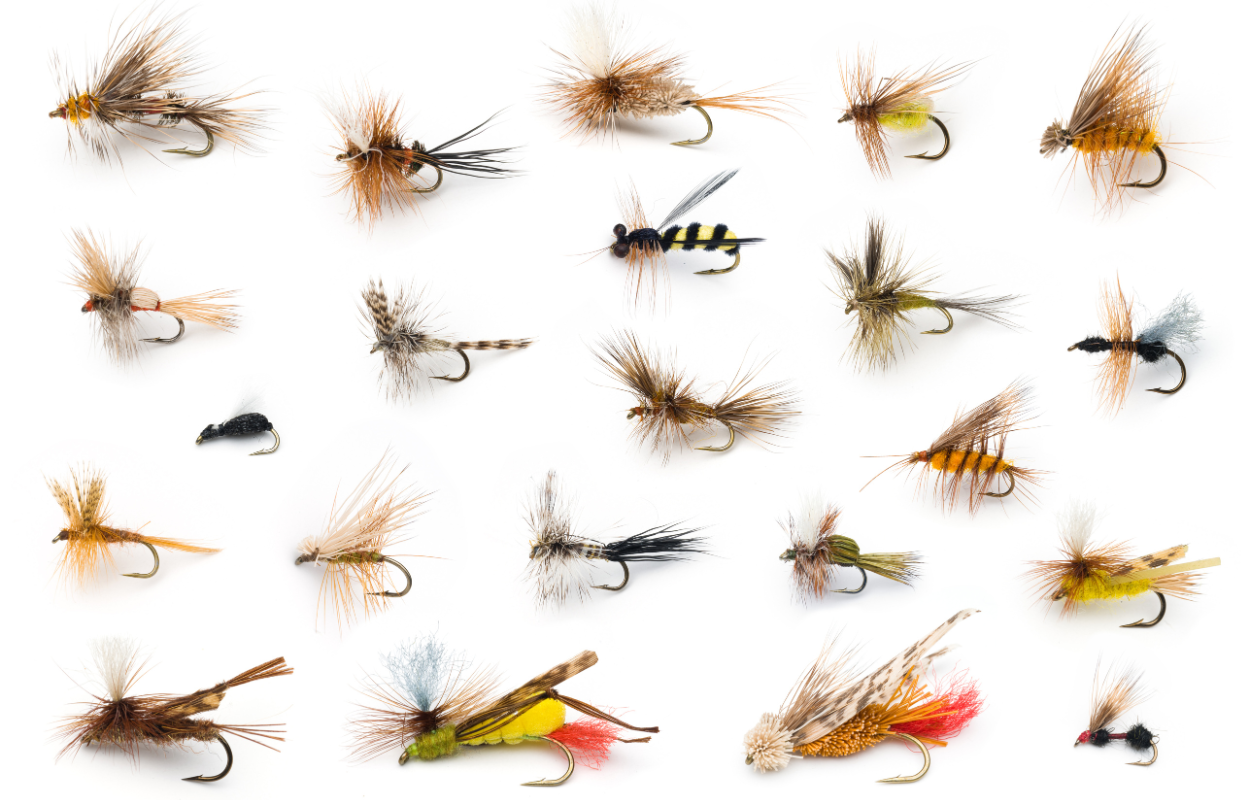
- Hoppers: largest trout of the summer can be caught on big foam patterns
- Ants & Beetles: consistent throughout August on any water near forest edges
- Tricos: tiny early-morning hatches on slower sections
- Caddis evenings: continue on lower park streams
Best Summer Fishing Locations in RMNP
- Moraine Park Meadows / Big Thompson River: classic meadow dry fly water; technical but rewarding for rising cutthroat
- Glacier Creek: fast pocket water through spruce forest; willing cutthroat and brook trout on attractor dries
- Alpine Lakes (Fern, Spruce, Loch Vale, Lawn): hike-in backcountry fishing for Greenback Cutthroat with virtually no pressure
- Fall River: varied water types from meadow to riffle; multiple trout species
- Colorado River headwaters: upper sections inside RMNP offer pristine cutthroat water near its source
Summer Planning Tips
- Arrive early; park entry fills before 9am on weekends; book a Timed Entry Permit in advance
- Book your guided trip 2–4 weeks in advance: summer is the busiest season
- Fish mornings (7–10am) and evenings (5–7pm) for the best dry fly action; midday heat slows surface feeding
- Bring sunscreen, extra water, and layers as weather in the park changes rapidly
- Afternoon thunderstorms are common July–August; always have an exit plan
Fall Fly Fishing in RMNP (September–October): The Best-Kept Secret
Why Fall Is Many Guides’ Favorite Season
September and early October are widely considered the finest overall time to fly fish in and around Rocky Mountain National Park, and it remains one of the best-kept secrets in Colorado fishing. Here’s why fall stands above the summer crowds:
- Fewer people: park crowds drop dramatically after Labor Day; you’ll have water to yourself
- Aggressive Brown Trout: pre-spawn Browns in September and October are at their most aggressive; streamer fishing can produce trophy fish
- Stable weather: the afternoon thunderstorms of summer subside; blue-sky fall days make for ideal conditions
- Terrestrials continue: ants, beetles, and late hoppers fish well into September
- Stunning scenery: golden aspen groves against blue sky create an unmatched backdrop
- No park entry reservations required: after mid-October, Timed Entry Permits are no longer needed
Fall Techniques & Flies
Fall is a streamer angler’s dream. Large Brown Trout abandon their usual caution in the weeks before spawn and will chase and crush articulated streamers, Woolly Buggers, and sculpin patterns with abandon. On the Lower Big Thompson, this is the season for a personal best.
For dry fly anglers, Baetis (Blue Wing Olive) hatches return in September and October, triggered by overcast skies and dropping temperatures. A size 16–18 Parachute Adams or Comparadun on a 5X leader is all you need.
- Streamers: Woolly Bugger (olive/black), Sparkle Minnow, articulated patterns
- Dry Flies: Parachute Adams, BWO Comparadun, Elk Hair Caddis (sizes 14–18)
- Nymphs: Copper John, Pheasant Tail, Zebra Midge; continue to produce all fall
Winter Fly Fishing Near RMNP (November–February): Trophy Season
Can You Fish Rocky Mountain National Park in Winter?
Most of Rocky Mountain National Park’s interior streams and all alpine lakes are effectively off-limits in winter due to ice and snow. The park’s high-elevation water freezes, access roads close, and fish become dormant in frigid conditions.
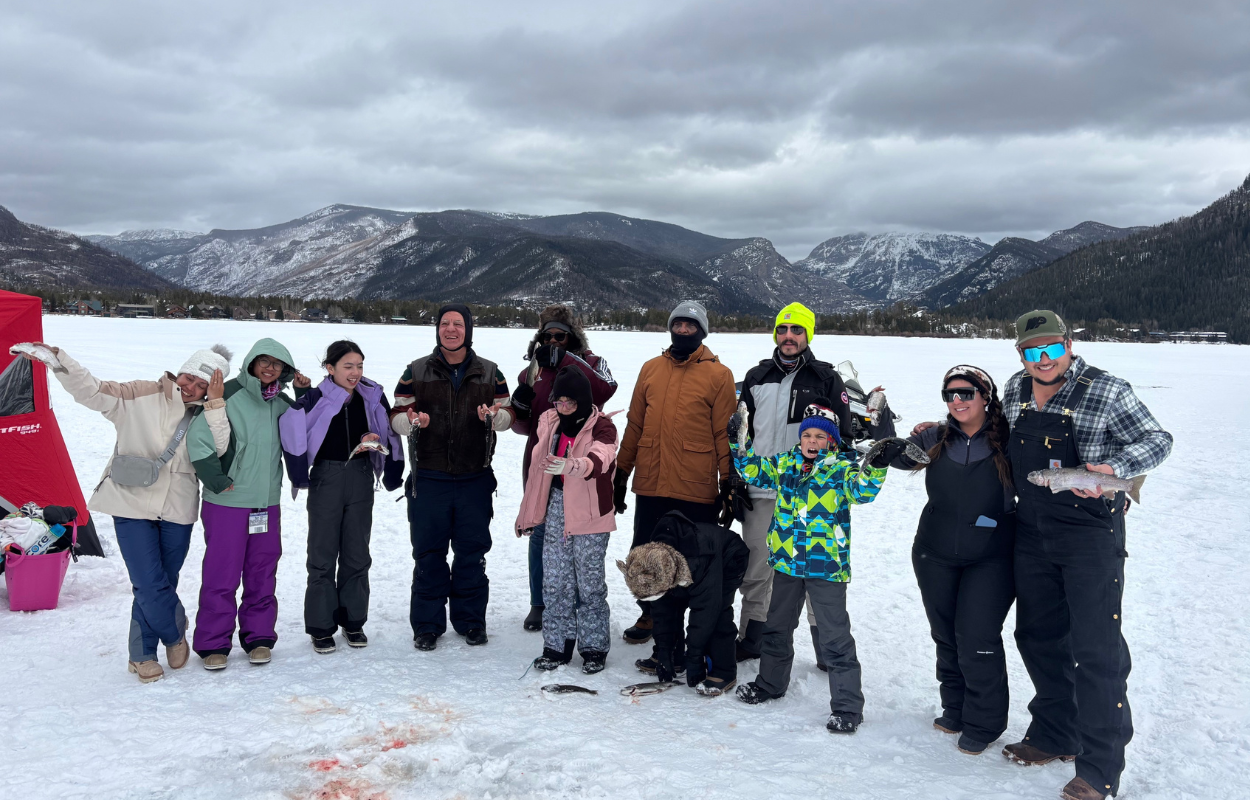
But the Lower Big Thompson River below Lake Estes is a completely different story, and one of Colorado’s greatest winter fishing secrets. The dam releases cold water year-round, keeping the river from freezing and maintaining ideal water temperatures for active trout even in January and February. Winter on the lower Big Thompson delivers:
- Very large Brown Trout: trout congregate in productive winter lies and are easier to pattern than in high-season crowds
- Exceptional solitude: you may have entire runs to yourself for hours
- Midge hatches: the primary food source all winter; tiny patterns in 20–24 produce consistent action
- Technical, rewarding fishing: winter separates casual anglers from dedicated ones, and the rewards are significant
Winter Tips for Estes Park Fly Fishing
- Fish 10am–2pm when midday sun briefly warms the air and triggers midge activity
- Use size 20–24 midge patterns: Zebra Midge, Disco Midge, Griffith’s Gnat
- 7X tippet is often necessary in gin-clear winter conditions
- Dress in layered wool and insulating materials as temperatures drop fast
- Private water access through Kirks Flyshop eliminates competition for the best winter runs
Planning Your Rocky Mountain National Park Fly Fishing Trip
Do I Need a Timed Entry Permit for RMNP?
From late May through mid-October, Rocky Mountain National Park requires a Timed Entry Reservation for most park entry points during peak hours (5am–6pm). Permits are released here in advance and sell out quickly, particularly for summer weekends. Our guided trips depart from our Estes Park shop and we coordinate access logistics for every trip, so you don’t need to worry about navigating park permits on your own.
Do I Need a Colorado Fishing License?
Yes. A valid Colorado fishing license is required for all anglers age 16 and older, and it covers fishing throughout the state, including inside Rocky Mountain National Park. Licenses can be purchased online or at our store in Estes Park before your trip.
What Gear Should I Bring?
- Rod: 3–5 weight, 8’6″–9′ for most park water; 5–6 weight for the Lower Big Thompson
- Line: Weight-forward floating line; have a light nymph line option for tailwater
- Tippet: 4X–5X for summer attractor fishing; 6X–7X for tailwater and clear water
- Flies: Parachute Adams, Elk Hair Caddis, Hopper patterns (summer); Zebra Midge, RS2, BWO (tailwater/fall/spring)
- Waders: Breathable waders for spring/fall; wet wading is comfortable July–August
- Hiking gear: Sturdy boots, layers, rain jacket, sunscreen, and bear spray for backcountry trips
Our flyshop provides all fishing gear on guided trips, rods, reels, waders, flies, and line, so you can arrive with nothing and leave with fish stories.
Book a Guided Fly Fishing Trip in Rocky Mountain National Park
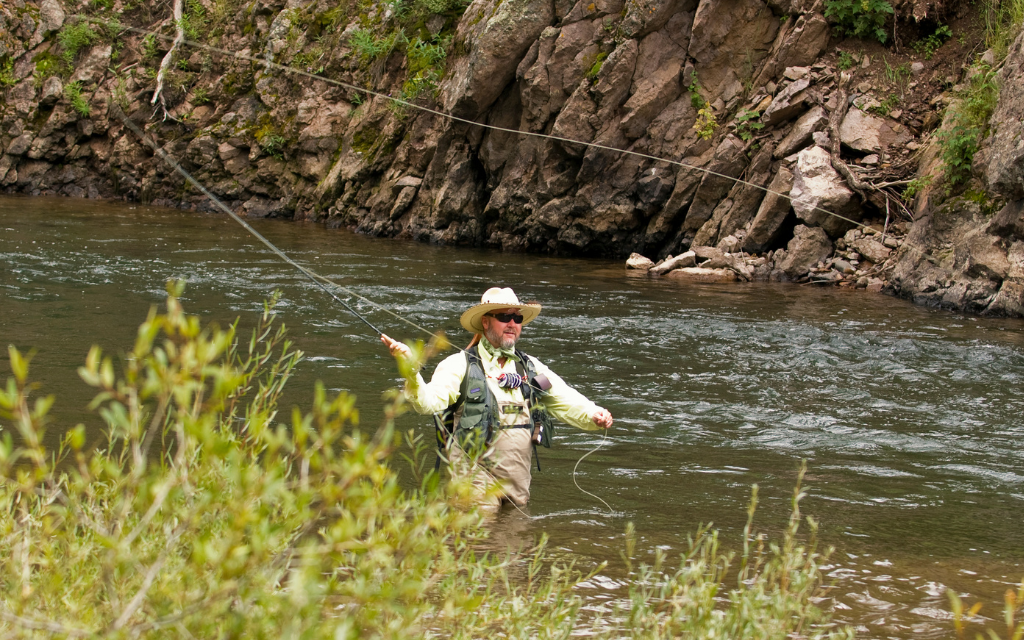
Kirks Flyshop’s expert guides have been navigating the waters of Rocky Mountain National Park and the Estes Park Valley since 2002. We know every run, every hatch, every access point, and we guarantee every guest catches fish. Whether you want to chase Greenback Cutthroat in an alpine meadow, target trophy Browns on the Lower Big Thompson, or introduce your family to fly fishing for the first time, we have the perfect trip for you.
Frequently Asked Questions: Fly Fishing in Rocky Mountain National Park
What is the best time to fly fish in Rocky Mountain National Park?
The best time to fly fish in Rocky Mountain National Park is from late June through early October. July and August offer peak dry fly fishing on high-country streams and alpine lakes, while September and early October deliver exceptional conditions with fewer crowds, aggressive pre-spawn Brown Trout, and fall Blue Wing Olive hatches. The Lower Big Thompson River below Lake Estes is a world-class tailwater fishery that is productive year-round, including winter.
Is Rocky Mountain National Park open for fishing year-round?
Most of Rocky Mountain National Park’s interior streams and alpine lakes are only accessible for fishing from approximately late June through October, as snow and ice close trails and freeze water at higher elevations the rest of the year. However, the Lower Big Thompson River below Lake Estes — a tailwater fishery adjacent to the park — is open and fishes exceptionally well year-round, including winter.
What trout species can I catch fly fishing in RMNP?
Fly anglers in Rocky Mountain National Park can catch Greenback Cutthroat Trout (Colorado’s native state fish), Colorado Cutthroat Trout, Brown Trout (found in the streams below 9,000 feet or so)
, and Brook Trout. The species mix depends on the specific water fished — alpine lakes and meadow streams hold primarily Cutthroat, while the lower park and tailwater sections hold larger Browns.
Do I need a permit to fish in Rocky Mountain National Park?
You need a valid Colorado fishing license to fish anywhere in Rocky Mountain National Park, including all streams and lakes. Additionally, from late May through mid-October, a Timed Entry Reservation is required to enter the park during peak hours. Artificial flies and lures only are permitted throughout the park, and barbless hooks are required in some areas.
What flies work best in Rocky Mountain National Park?
The most effective flies in Rocky Mountain National Park depend on the season. In summer, Parachute Adams, Elk Hair Caddis, Green Drakes, and terrestrial patterns (hoppers, ants, beetles) are most productive. In spring and fall, Blue Wing Olives and midge patterns (Zebra Midge, RS2) dominate on tailwaters. For nymphing, Copper Johns, Pheasant Tails, and Hare’s Ear nymphs produce throughout the season.
Can beginners fly fish in Rocky Mountain National Park?
Yes. Rocky Mountain National Park and the adjacent Lower Big Thompson River offer excellent fishing for beginners, especially on a guided trip. Kirks Flyshop guides work with anglers of all skill levels and guarantee that every guest will catch fish. Beginners are matched with patient instructors who provide all gear, teach casting, and put guests on productive water from the very first outing.
Where is the best place to fly fish in Rocky Mountain National Park?
The best fly fishing locations in Rocky Mountain National Park include the Big Thompson River in Moraine Park for meadow dry fly fishing, Glacier Creek for pocket water brook and cutthroat trout, and alpine lakes such as Ouzel Lake, Sandbeach Lake, Fern Lake, and Odessa Lake for backcountry Greenback Cutthroat Trout. The Lower Big Thompson River below Lake Estes, while technically outside the park boundary, is the area’s most consistently productive and fishable water year-round.
How do I book a guided fly fishing trip near Rocky Mountain National Park?
Kirks Flyshop in Estes Park, Colorado offers guided fly fishing trips in Rocky Mountain National Park and on the Lower Big Thompson River. Trips can be booked online. Trip options include 2-hour evening hatch trips, 4-hour, 6-hour, and 8-hour full-day trips, and multi-day backcountry overnight adventures. All gear is provided and all trips carry a fish guarantee.